Effective Solutions for a Sagging Recliner

A sagging recliner can turn relaxation into frustration. Over time, the cushion loses its firmness, and the structure might weaken, leaving you with a less supportive seat. But don't worry—there are practical solutions to restore your recliner's comfort and functionality. Whether the sagging is due to compressed cushions, weakened springs, or a frail frame, there's a fix that can bring your favorite chair back to life. Let's explore how you can address these common issues and enjoy your recliner once more.
Identifying the Causes of a Sagging Recliner
Understanding why your recliner is sagging is the first step to solving the problem. Common causes include worn-out cushions, a weakened frame, or faulty springs. Identifying the root cause will guide you towards the most effective solution, ensuring that your efforts are focused and successful. For instance, if you notice that the seat cushion has flattened significantly, the issue might be with the foam padding. Alternatively, if the recliner feels wobbly, the frame or springs might be the problem.
Considering Professional Repair Services
If DIY solutions seem daunting or ineffective, professional repair services might be a worthwhile investment. Experts can diagnose and fix complex issues, restoring your recliner to its former glory. While this option might be costlier, it guarantees high-quality results and peace of mind. For instance, a professional might offer custom solutions that include replacing the entire seating support, ensuring long-term durability and comfort.
Here’s a comparison of what to expect when choosing professional repair services:
This table provides a quick reference to potential solutions you can try to fix your sagging recliner, helping you maintain comfort and functionality in your furniture.
| Factor | DIY Repair | Professional Repair |
|---|---|---|
| Cost | Low | Medium to High |
| Time | Varies | Quick Turnaround |
| Quality | Varies | Consistently High |
| Durability | Short to Medium Term | Long Term |
Choosing a professional service ensures that your recliner is repaired efficiently and effectively, with a focus on quality and durability. This option is ideal for those who prefer a hassle-free experience.
DIY Solutions for a Sagging Recliner
If you're dealing with a sagging recliner, there are several effective solutions you can try. Follow these steps to restore your chair's comfort and appearance.
- Assess the recliner's structure and identify the areas that are sagging.
- Replace worn-out springs or support components with new ones to improve support.
- Add extra cushioning or use a recliner riser to elevate the seat height and comfort.
By following these steps, you can revive your sagging recliner and enjoy its comfort for years to come. Regular maintenance will also help keep it in good shape moving forward.
Inspecting and Reinforcing the Recliner Frame
The frame is the backbone of your recliner. If it feels unsteady or creaky, it's time to inspect it closely. Look for loose screws or joints that might need tightening. In a real-world scenario, if you find that one side of the chair sags more than the other, it might indicate a joint problem. Reinforcing the frame with additional screws or brackets can enhance stability and prevent further sagging. This may involve using metal brackets to strengthen the corners of a wooden frame.
Replacing or Reinforcing Recliner Springs
Springs are crucial for support and comfort. If your recliner feels uneven or slumped, the springs may be the culprit. Consider replacing old, worn-out springs with new ones. Alternatively, adding support with tension bands or clips can rejuvenate existing springs, providing a firmer seat. For example, if a section of the seat feels particularly soft, it may be due to a broken spring in that area. A quick fix could involve reinforcing the spring with tension clips.
Refreshing the Cushion Padding
Cushion wear is a common issue in sagging recliners. Over time, foam padding compresses, leading to discomfort. You can revitalize the cushion by replacing the foam or adding a layer of high-density foam on top. This will not only increase comfort but also prolong the life of your recliner. Consider using memory foam for added support and comfort. For a quick DIY example, you can cut foam to size and insert it into the cushion cover, instantly improving the firmness and shape of your seat.
Adjusting Recliner Mechanisms
Sometimes, a recliner sags due to misaligned mechanisms. Check the reclining lever and adjust its tension if necessary. Ensuring all moving parts are well-lubricated will also help maintain smooth operation, reducing strain on the chair's structure. For example, if the footrest is difficult to extend or retract, lubrication of the joints might solve the problem. Regularly checking these mechanisms can prevent future sagging and ensure your recliner operates smoothly.
Here is a checklist to remind you of the key areas to focus on:
- Inspect and tighten the frame.
- Replace or reinforce springs.
- Add or replace cushion padding.
- Adjust and lubricate mechanisms.
Preventing Future Sagging in Recliners
To avoid recurrence, consider preventative measures. Regularly rotate cushions to distribute wear evenly. Avoid placing excessive weight on the recliner and clean it periodically to maintain the upholstery. These practices not only prevent sagging but also extend the chair's lifespan. For example, by rotating the cushions every month, you can prevent one side from becoming more worn than the other, maintaining an even and comfortable seating experience.
Exploring Alternatives: Recliner vs. Office Chair for Comfort
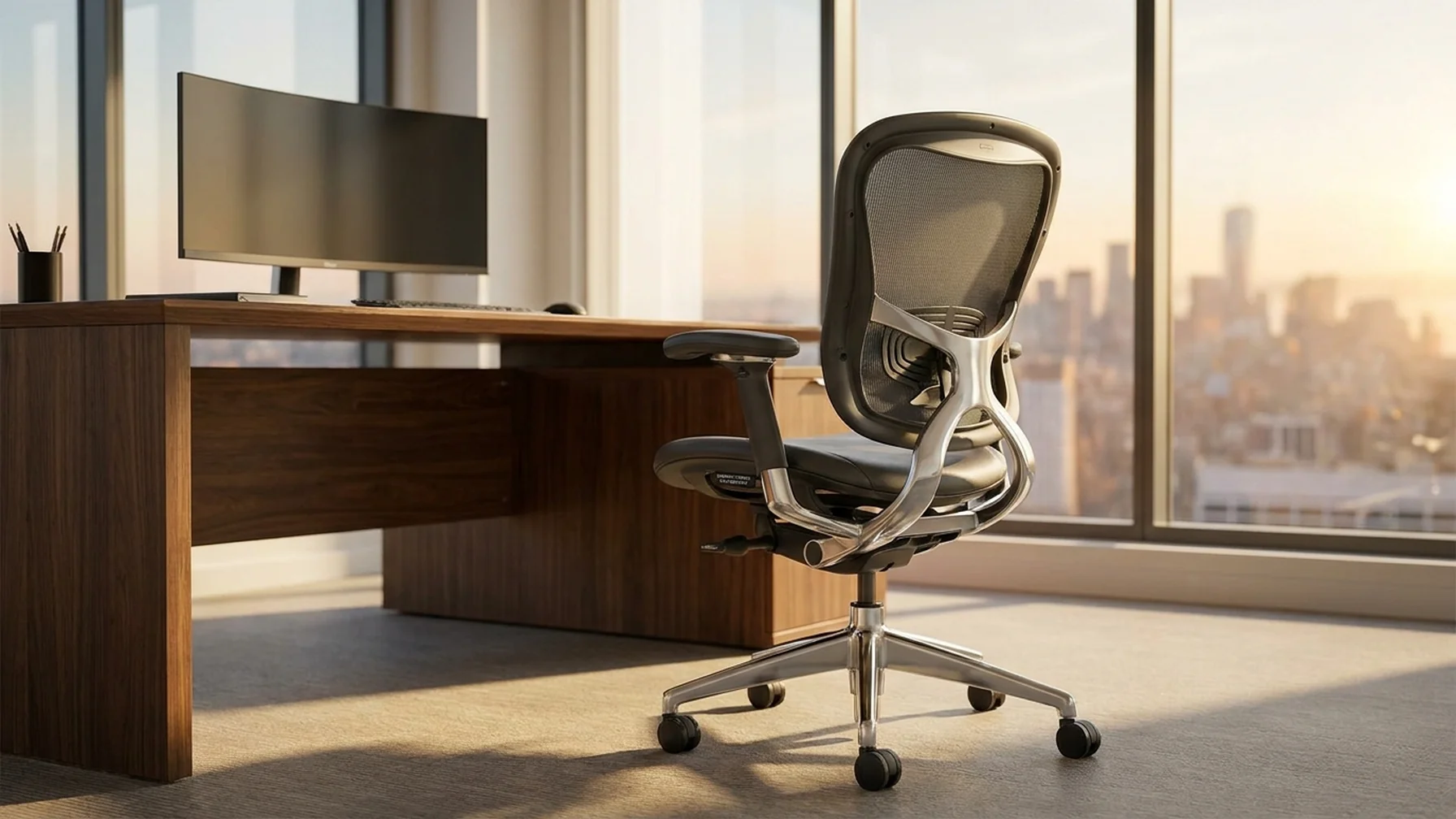
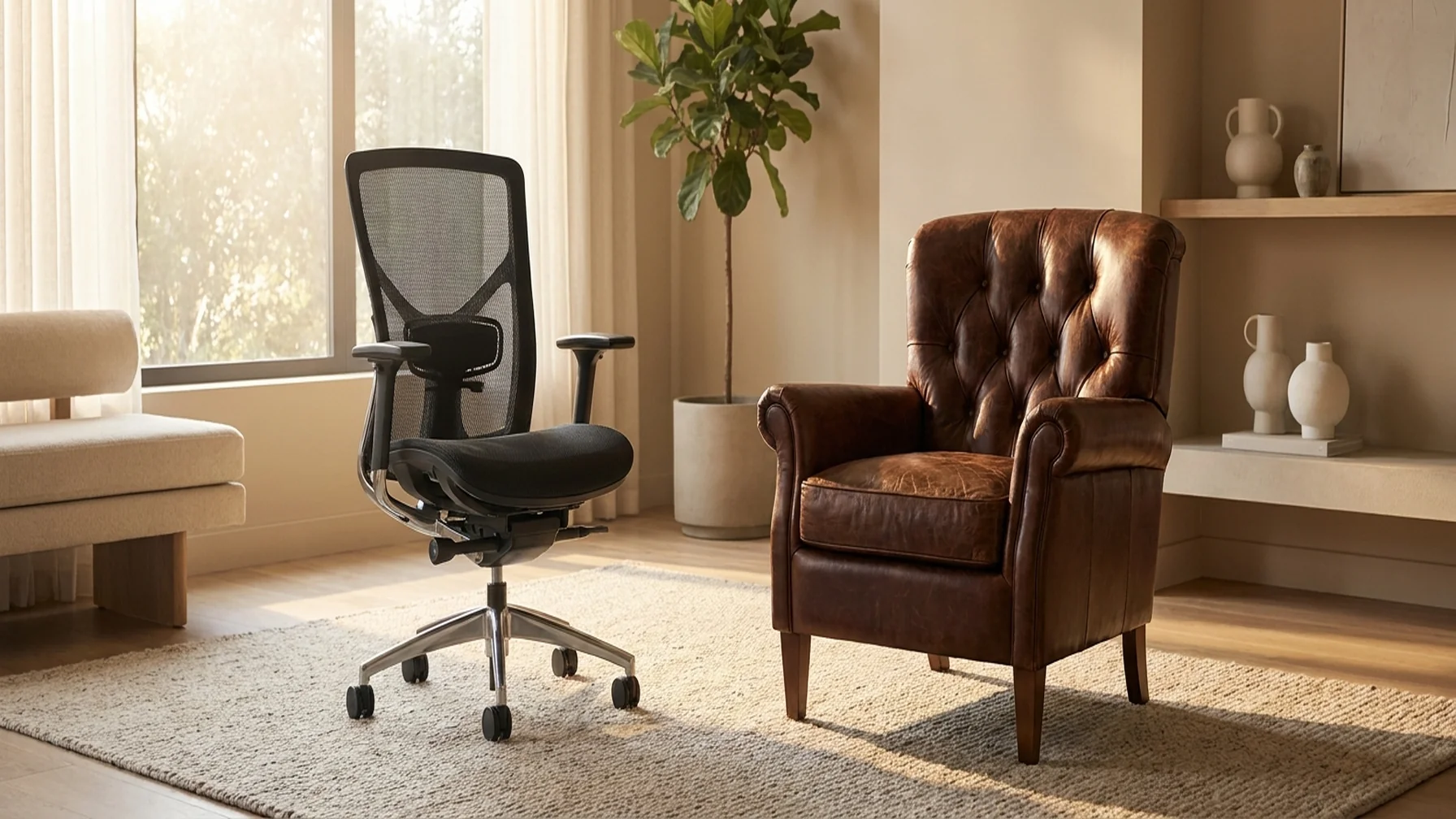
While recliners are great for relaxation, they might not be the best choice for prolonged sitting, especially for work. If you're experiencing discomfort, consider switching to an ergonomic office chair. Office chairs are designed to support better posture, reducing the risk of back pain and improving circulation. For instance, if you find that your recliner isn't providing the support needed for long work-from-home hours, an office chair with lumbar support might be a better alternative.
In conclusion, a sagging recliner doesn't have to be a permanent problem. With the right solutions, from DIY fixes to professional repairs, you can restore comfort and extend your chair's life. Regular maintenance and thoughtful usage will prevent future issues, ensuring your recliner remains a cozy haven for relaxation.