The Impact of Recliners on Blood Circulation: What You Need to Know
Recliners have become a staple in living rooms worldwide, offering a comfortable retreat after a long day. However, while recliners provide a cozy spot to relax, it’s essential to consider how they might impact blood circulation. The way we sit can significantly affect how blood flows through our bodies, and recliners are no exception. This guide delves into the impact of recliners on blood circulation, offering insights into their benefits and potential drawbacks, and providing practical advice for maintaining healthy circulation while enjoying your favorite chair.
Understanding Blood Circulation in Seating
Blood circulation is the process by which the heart pumps blood through a network of vessels to deliver oxygen and nutrients to the body's tissues. When sitting, particularly for extended periods, poor posture can impede circulation, leading to discomfort or more severe health issues. For instance, individuals who sit with their legs crossed or slouch may experience reduced blood flow, causing symptoms like numbness or swelling. A case study involving office workers found that those who maintained an upright posture experienced fewer circulation issues compared to those who slouched.
How Recliners Can Affect Blood Circulation
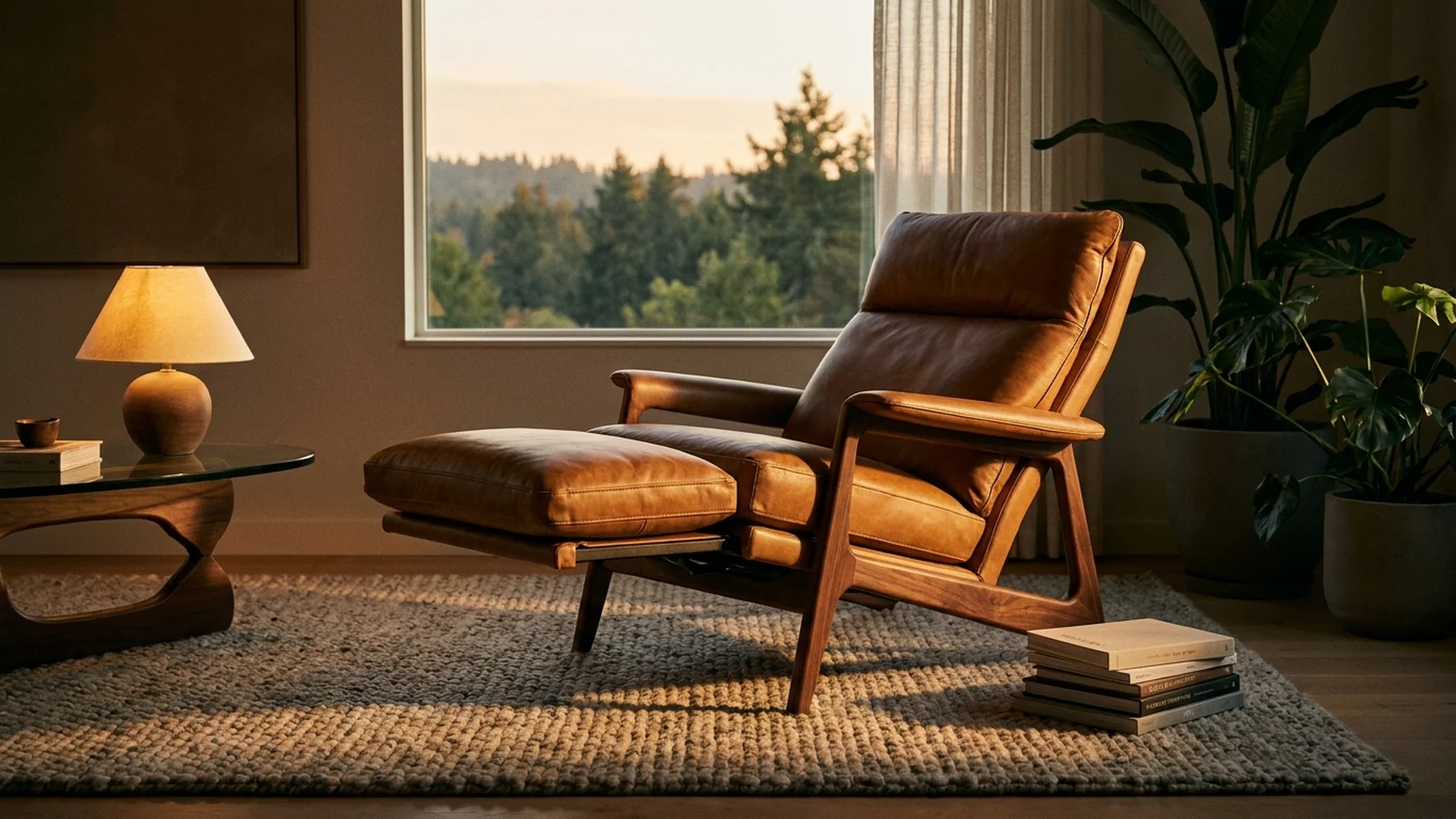
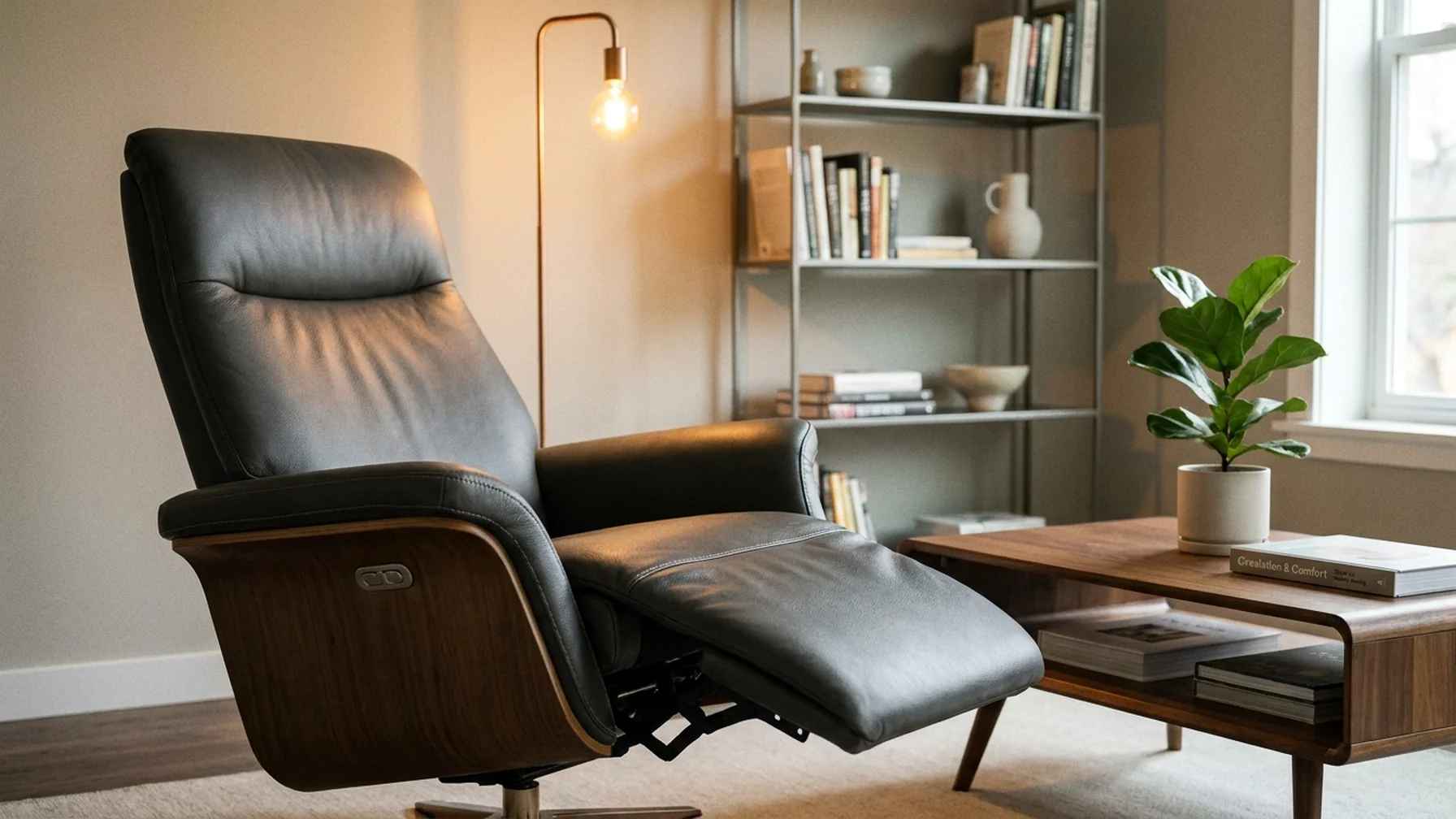
Recliners are designed to allow the user to lean back and elevate their legs, which can promote better circulation compared to traditional chairs. Elevating the legs reduces pressure on the veins, potentially improving blood flow. An example of this is seen in people with varicose veins who often find relief in recliners as the elevated position helps decrease venous pressure. However, if a recliner is used for long durations without movement, it can still lead to poor circulation, similar to any seating position held for too long.
Are Recliners Bad for Circulation?
Whether recliners are detrimental or beneficial to circulation largely depends on how they are used. While they can aid in enhancing circulation by allowing leg elevation, they can also hinder it if used improperly. Factors such as sitting posture, the duration of sitting, and individual health conditions play a crucial role. For instance, a person with a history of deep vein thrombosis should use recliners cautiously, ensuring they move regularly to avoid complications.
Choosing the Right Recliner for Better Circulation
Selecting a recliner that supports good circulation involves considering specific features:
- Adjustability: Recliners with multiple position options allow for changes in posture, which can prevent blood pooling.
- Supportive Padding: Firm cushions help maintain posture by providing adequate support, reducing the risk of sinking.
- Leg Elevation: The ability to elevate the legs above the heart is crucial for promoting venous return and reducing swelling.
- Material Breathability: Breathable fabrics can prevent overheating, which can negatively affect circulation.
These features collectively help mitigate pressure points and encourage healthy blood flow while seated. Choosing the right recliner can make a significant difference in comfort and circulation.
Recliner vs. Office Chair: Which Is Better for Circulation?
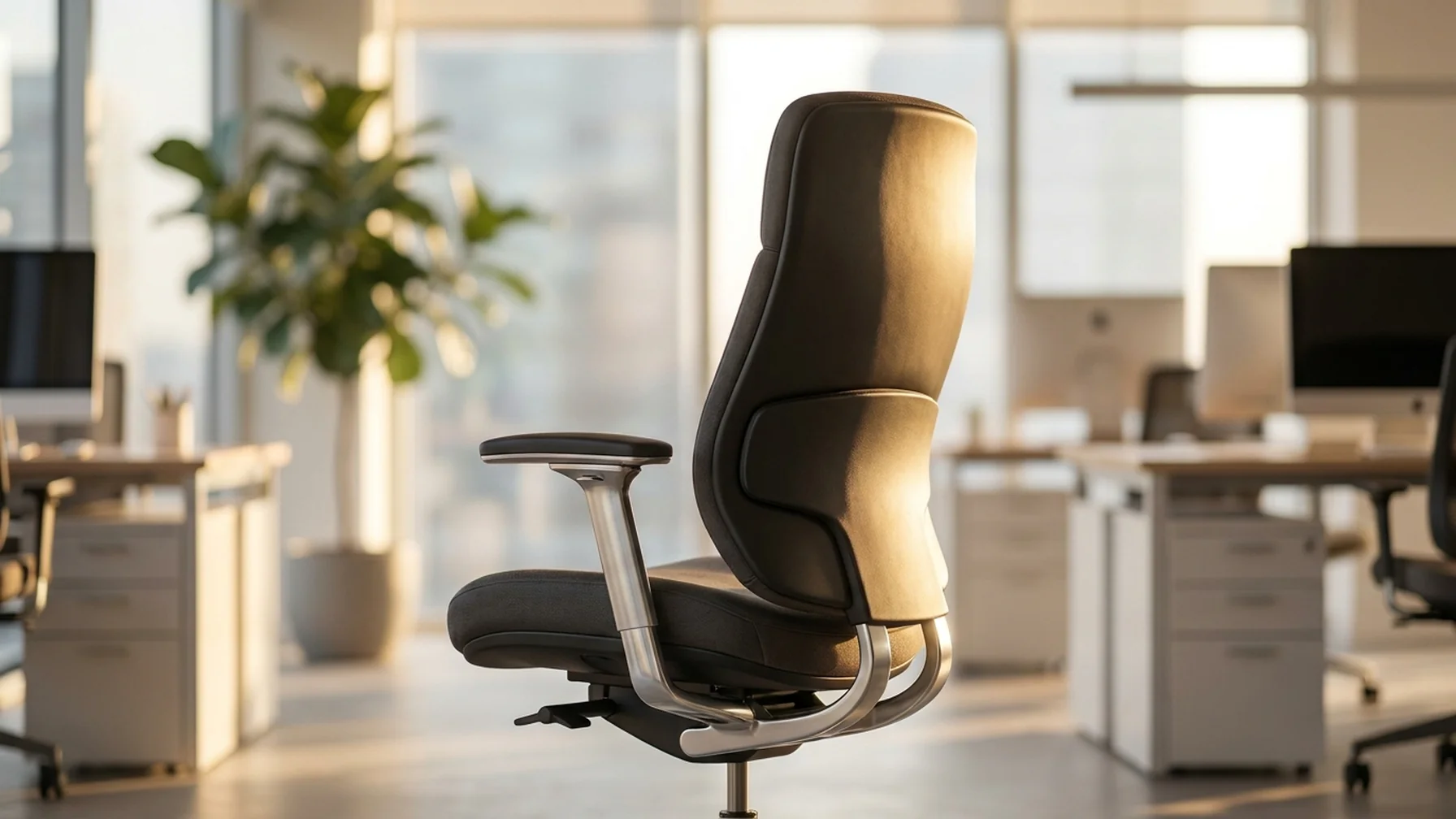
When comparing recliners to office chairs, it's important to consider the purpose and duration of use. Office chairs are typically designed with ergonomics in mind, supporting prolonged sitting with features that promote proper posture and movement. For example, an ergonomic chair with lumbar support can enhance circulation by encouraging a natural spinal curve. On the other hand, recliners are ideal for relaxation, especially when short breaks are taken to move the legs and elevate them. Both seating options have their place, and the choice largely depends on the intended use.
Tips for Maintaining Good Circulation While Using Recliners
To maintain optimal blood circulation while enjoying a recliner, consider the following practices:
- Take frequent breaks to stand and stretch, breaking the monotony of prolonged sitting.
- Adjust your reclining position periodically to shift pressure points.
- Incorporate simple leg exercises like ankle circles or calf raises to stimulate blood flow.
- Stay hydrated by drinking water regularly, as hydration supports circulation.
- Consider using a footrest to vary leg elevation and reduce venous pressure.
By integrating these habits into your routine, you can enjoy the comfort of a recliner without the risk of compromising your circulation.
Signs Your Recliner May Be Affecting Circulation
It's important to be aware of signs that your recliner might be negatively impacting your circulation. Persistent swelling, tingling sensations, or numbness in the legs could indicate circulation issues. For example, if you notice that your feet or ankles swell after spending time in a recliner, it might be beneficial to adjust your seating position more frequently or consult a healthcare professional for advice. Taking these signs seriously can prevent potential complications related to poor circulation.
Conclusion: Balancing Comfort and Circulation
The impact of recliners on blood circulation can be both positive and negative, depending on their use. By choosing the right recliner and adopting healthy sitting habits, you can enjoy comfort without sacrificing circulation. Remember, balance is key to maintaining both relaxation and health benefits. Awareness and proactive measures can help you optimize your seating experience, ensuring that your relaxation time supports overall well-being.